Menu Close

How Commercial Roofing Solutions Can Enhance Property Value with Strategic Upgrades

Energetic Caucasian Male Crew Installing Solar Panels On Rooftop Four Caucasian male professionals installing solar panels on a residential rooftop, wearing blue shirts and working with tools under a clear sky, showcasing teamwork and renewable energy efforts. roofing repairs stock pictures, royalty-free photos & images

A well-maintained roof not only protects your home from the elements but also plays a significant role in enhancing its market value. When homeowners invest in professional roof repair or strategic upgrades, they often see an impressive return on investment (ROI). Here’s how hiring a professional roofing contractor can add measurable value to your property.

Improved Structural Integrity

A professional roofing contractor ensures that your roof is structurally sound. Addressing issues such as leaks, sagging areas, or damaged shingles enhances the overall durability of the home. A structurally sound roof reassures potential buyers that major repairs won’t be required, making the property more attractive in a competitive real estate market.

Key structural improvements include:
Reinforcing weak spots to prevent leaks and water damage.
Replacing rotted decking for added stability.
Ensuring proper ventilation to prevent mold growth and extend roof life.

Integration of Modern Roofing Materials

Upgrading to modern materials can significantly elevate your home’s market value. Today’s roofing materials are not only more durable but also energy-efficient and aesthetically pleasing. A professional contractor can guide you in selecting the best options for your property, considering factors such as longevity, climate resistance, and curb appeal.

Material Type Benefits Expected Lifespan
Metal Roofing Energy-efficient, eco-friendly 40–70 years
Architectural Shingles Cost-effective and durable 25–30 years
Slate Roofing Timeless appearance, long-lasting 50+ years

Energy-Efficient Upgrades for Greater ROI

Many buyers prioritize homes with energy-efficient features. Adding energy-efficient upgrades during roof repairs or replacements can lower utility bills while boosting resale value.
Cool roofing technology, which reflects sunlight and reduces heat absorption. Attic insulation improvements, ensuring optimal temperature regulation. Solar panel installations, which add long-term savings incentives for future owners.

These energy-saving solutions not only appeal to environmentally conscious buyers but also qualify homeowners for potential tax credits or rebates.

Enhanced Curb Appeal Through Aesthetic Upgrades

The visual impact of a home starts from its exterior—and the roof is one of the most prominent elements in that first impression. A professional roofing contractor can suggest aesthetic enhancements that align with current design trends while complementing the style of your home.

Consider upgrading with:
– Bold colors or unique textures (e. g. , clay tiles).
– Decorative elements like dormers or gables. 

– High-quality shingles that mimic premium natural materials such as wood shakes or slate.

An attractive roof boosts curb appeal significantly, making it easier to capture buyer interest at first glance.

Why Partnering with a Professional Matters

While some minor repairs might seem manageable as DIY projects, partnering with an experienced roofing contractor ensures precision and quality workmanship that complies with local building codes and safety standards. Professionals provide peace of mind by identifying hidden damages and delivering customized solutions tailored to both short-term needs and long-term goals.

By investing in strategic upgrades directed by skilled professionals, homeowners position their property as not only functional but highly desirable on today’s real estate market—leading to better offers and faster sales timelines without compromise on quality.

Signs You Need a Commercial Roofing Contractor for Repairs or Replacement

Recognizing when your roof requires immediate replacement or an upgrade is crucial to prevent costly damage and ensure your home remains secure and energy-efficient.

Common Signs Your Roof May Need Attention

  • Sagging Areas: A sagging section of the roof often suggests structural issues such as water damage or weakened decking.
  • High Energy Bills: An inefficient roof may cause significant heat loss during winter months or allow excess heat into your home during summer. This leads to higher heating and cooling bills.

Factors That Accelerate Roof Deterioration

Factor Impact on Roof
Harsh Weather Conditions Severe storms can dislodge shingles and compromise structural integrity.
Lack of Maintenance Neglecting routine inspections allows small issues to escalate into significant problems.
Poor Installation Substandard installation reduces a roof’s lifespan and durability.
Age Most roofing materials have a defined lifespan; exceeding it increases failure risks.

Benefits of Addressing Issues Promptly

Identifying these indicators in advance allows homeowners to act before minor concerns become major problems.

  1. Cost Savings
    Delaying roof repairs often leads to more extensive damage that requires larger financial investments.
  2. Repairing water damage before it spreads to multiple areas is significantly less expensive than replacing entire structural components.
  3. Fixing leaks early reduces risks such as mold growth.
  4. Enhanced Safety
    A compromised roof increases risks for collapses during heavy rains or snowfalls.
  5. Improved Energy Efficiency
    Upgrading an aging or damaged roof with modern materials (such as reflective coatings) minimizes energy waste by improving insulation performance.
  6. Boosted Property Value
    Potential buyers view a well-maintained roof as evidence of overall care for a property—leading to better offers when selling.

Next Steps for Homeowners

To ensure you address roofing concerns effectively:

 – Schedule periodic inspections with licensed professionals.

 – Keep detailed records of maintenance work performed on your property. 

– Discuss repair vs replacement options with experts who can recommend solutions tailored to both your budget and long-term goals.

Being proactive about recognizing potential roofing issues not only protects what’s inside but also extends the life of one of your home’s most vital components.

Identifying When to Seek Commercial Roofing Services for Replacement or Upgrades

Recognizing the signs that your roof requires immediate attention is critical for preserving your home’s structural integrity and value. A damaged or aging roof not only compromises your property but can also lead to costly repairs if left unaddressed. Here are some key indicators that it may be time to consider a roof replacement or upgrade.

Visible Signs of Damage

Certain physical damages to your roof are clear signals that an upgrade or replacement is necessary.

  • Cracked, Curled, or Missing Shingles: Shingles protect your home from water intrusion. If they are cracked, warped, or missing altogether, it’s a sign that the protective layer is failing.
  • Sagging Areas: A sagging roof indicates structural issues and could mean water damage has compromised the decking underneath.
  • Granule Loss: Check for granules in your gutters or downspouts. Excessive granule loss can shorten the lifespan of asphalt shingles.
  • Moss and Algae Growth: While moss may seem harmless, it retains moisture and can cause damage over time.

Water Damage and Leaks

Water infiltration is one of the most severe problems a roof can face.

  • Stains on Ceilings or Walls: Yellowish stains often point to leaks from above.
  • Dripping Water: Active leaks during storms show immediate need for repair.
  • Mold Growth: Persistent moisture facilitates mold development inside walls and ceilings, which affects indoor air quality.

Age of the Roof

The age of your roof plays a significant role in determining whether you need an upgrade. Most asphalt shingle roofs last between 20–25 years. If yours has exceeded this range, replacing it with modern materials can prevent issues before they arise.

Roofing Material Average Lifespan
Asphalt Shingles 20–25 years
Metal Roofing 40–70 years
Clay Tiles 50+ years
Wood Shakes 20–30 years

Increased Energy Bills

An aging roof often loses its ability to insulate effectively, resulting in higher heating and cooling costs. Upgrading to energy-efficient materials such as reflective shingles or metal roofing can reduce utility expenses over time.

Storm Damage Impact

If your area has recently experienced severe weather conditions such as hailstorms or high winds, inspecting your roof for damage should be a priority.

  • Dents from hail
  • Missing shingles caused by wind
  • Damaged flashing around vents and chimneys

Benefits of Timely Roof Replacement

  1. Enhanced Property Value: A new roof improves curb appeal and makes your home more attractive to buyers.
  2. Increased Efficiency: Modern materials enhance insulation properties and reduce energy costs.
  3. Peace of Mind: Prevent future expenses by addressing small issues before they escalate into significant repairs.

By staying vigilant about these warning signs, homeowners can proactively protect their investment while ensuring their home remains safe and comfortable for years to come.

Expert Storm Damage Roof Repair and Replacement by a Trusted Commercial Roofing Company
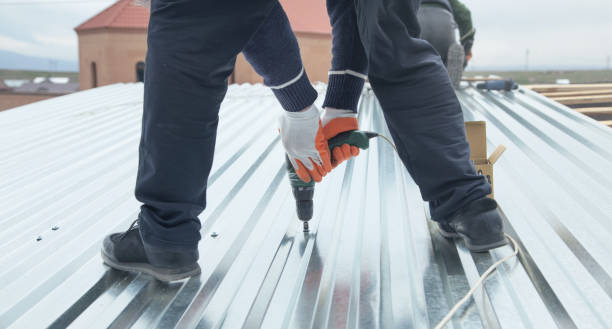
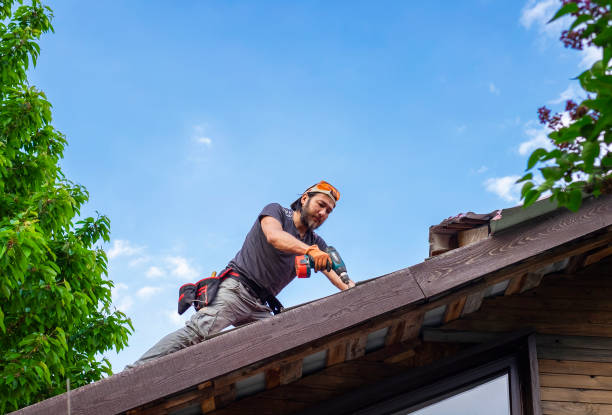
Man installing metal sheet roof by electrical drilling machine. Man installing metal sheet roof by electrical drilling machine. roofing repairs stock pictures, royalty-free photos & images

Storm damage can leave your roof vulnerable to structural issues, water leaks, and long-term deterioration. Addressing these issues promptly with professional roof repair or replacement services not only restores the integrity of your home but also enhances durability and ensures long-term protection. Here’s how storm damage repair and replacement can safeguard your property.

Common Types of Storm Damage

Storms can impact various aspects of a roofing system.

  • Wind Damage: Strong winds can lift shingles, leaving areas of the roof exposed to moisture infiltration.
  • Hail Damage: Hailstones can cause dents or cracks in shingles, weakening their structural integrity.
  • Water Damage: Heavy rain may lead to pooling water or leaks if the drainage system is compromised.
  • Fallen Debris: Tree limbs or debris may puncture the roof, causing more extensive damage.

Recognizing these potential hazards early is crucial for mitigating further issues.

Benefits of Timely Storm Damage Roof Repairs

  1. Prevention of Escalating Costs
    Small problems such as missing shingles or minor leaks can quickly grow into expensive repairs if left unattended.
  2. Protection Against Water Intrusion
    Repairing damaged areas ensures that water does not seep into your home, preventing mold growth and structural decay.
  3. Extended Lifespan of Your Roofing System
    Regular maintenance following a storm improves the longevity of your roof by resolving vulnerabilities promptly.
  4. Insurance Claims Assistance
    Many professional contractors assist with insurance claims by documenting damage thoroughly, simplifying the process for homeowners.

When to Opt for Roof Replacement After a Storm

In some cases, repairs alone may not be sufficient to restore your roof’s performance.

Condition Indicators
Significant Structural Damage Large sections of missing shingles or severe decking damage
Old Roofing Materials Materials nearing their lifespan that are less durable
Repeated Repairs Persistent issues despite multiple past interventions

Replacing a damaged roof with high-quality modern materials not only ensures better protection but also increases energy efficiency and boosts property value.

Additional Measures to Strengthen Your Roof Against Future Storms

  • Install impact-resistant shingles designed to withstand hail and wind.
  • Reinforce flashing around vents, chimneys, and skylights.
  • Ensure proper attic ventilation to reduce moisture buildup from internal sources.
  • Clean gutters regularly to ensure efficient water drainage during storms.

Investing in these measures strengthens your home’s ability to endure severe weather conditions while reducing maintenance costs over time.

Storm damage doesn’t just compromise your property; it also poses risks that could escalate if left unresolved. Partnering with an experienced roofing contractor ensures comprehensive solutions tailored to restoring both functionality and protection while preparing your home for future challenges efficiently.

Aesthetic Roofing Enhancements to Improve Curb Appeal and Elevate Property Value

A roof plays an integral role in not only protecting a home but also defining its overall aesthetic appeal. Investing in roofing enhancements can transform the appearance of your property, making it more attractive to potential buyers while increasing its market value. Below are some key ways that thoughtful roofing upgrades can enhance your home’s curb appeal and elevate its worth.

Popular Roofing Material Options for Aesthetic Appeal

Choosing the right roofing material can make all the difference when it comes to enhancing your home’s exterior.

  • Cost-effective and available in various colors and textures
  • Durable and suitable for different architectural styles
  • Modern look with clean lines
  • Available in finishes such as aluminum, copper, or zinc
  • Perfect for Mediterranean or Spanish-style homes
  • Long-lasting with an elegant appearance
  • Timeless aesthetic with premium durability
  • Adds a luxurious touch to any property

Color Selection: Maximizing Visual Impact

The color of your roof plays a significant role in boosting curb appeal. When selecting hues, you’ll want to consider both the architectural style of your home and the regional climate.

  • For traditional homes, opt for earth-toned shingles that complement brick or wood siding.
  • Modern homes tend to pair well with darker shades or metallic finishes like black steel or copper.

Architectural Features That Enhance Design

  1. Dormer Windows: Adding dormers enhances natural light inside while giving depth and dimension to your roofline.
  2. Overhanging Eaves: These create shadow lines that add sophistication while improving weather protection.
  3. Custom Ridge Caps: Opting for decorative ridge caps provides additional attention to detail.
  4. Decorative Shingles: Certain shingle designs resemble wood shakes or slate tiles but come at a fraction of the cost.

The Impact of Roof Design on Property Value

According to real estate studies, homes with upgraded roofs often see significant returns on investment (ROI).

Roofing Feature Curb Appeal Benefits Average ROI (%)
High-quality asphalt shingles Improved color variety & texture 60%-70%
Metal roofing Modernized aesthetics 85%-90%
Slate tiles Luxurious visual upgrade ~100%

Maintenance Considerations for Long-Term Aesthetics

  • Clean gutters regularly to prevent water damage and discoloration.
  • Remove debris like leaves and branches that may accumulate after storms.
  • Schedule annual inspections by professional contractors to identify wear-and-tear early.

By investing in both visual upgrades and ongoing maintenance strategies, homeowners can enjoy an enhanced curb appeal while positioning their property as more desirable on the real estate market.

Choosing the Right Roofing Contractor for Strategic Repairs, Replacements, and Upgrades

Finding the right roofing contractor can be a crucial step in maintaining or enhancing your home’s value. Whether you need repairs, a full replacement, or strategic upgrades to improve energy efficiency or aesthetics, selecting an experienced professional ensures the job is done correctly and cost-effectively. Below are key factors to consider when choosing a roofing contractor for your project.

Experience and Expertise

Not all roofing contractors have the same level of expertise. Look for professionals with years of experience handling similar projects.

  • Familiarity with various roofing materials (asphalt shingles, metal roofs, slate tiles, etc.
  • Knowledge of modern energy-efficient solutions like cool roofs or solar panel integration
  • Competence in handling storm-damaged roofs or other urgent repairs

Experience often correlates with reliability and quality workmanship, so always prioritize contractors with a proven track record.

Licensing and Insurance

Ensure the roofing company you hire is licensed to operate in your area. Proper licensing demonstrates compliance with local building codes and industry standards.

  • Liability Insurance: Protects your property in case of accidental damage during the project.
  • Workers’ Compensation: Ensures workers are covered if they get injured on-site.

This step protects both you and the contractor’s employees while minimizing potential legal risks.

Reputation and References

A reputable contractor will have positive reviews from past clients. Take time to read online reviews on platforms like Google or Yelp.

  • Request references from previous projects.
  • Ask to see photos of completed work.
  • Check if they’re accredited by professional organizations such as the National Roofing Contractors Association (NRCA).

Speaking directly with past clients can provide valuable insights into their work ethic, communication skills, and overall reliability.

Written Estimates and Contracts

Before committing to a contractor, obtain written estimates from at least three companies for comparison.

Key Details in an Estimate What To Look For
Scope of Work Clear description of tasks (repairs/replacement/upgrades)
Materials Specific materials being used (e.g., brand/type)
Timeline Estimated start and completion dates
Costs Itemized breakdown (labor costs, material costs)

Once you’ve selected a contractor based on their estimate and qualifications, ensure all terms are documented in a formal contract.

Warranties Offered

Another important consideration is whether the contractor offers warranties on both labor and materials. A reliable warranty shows confidence in their workmanship while protecting you from unexpected costs after project completion.

Types of warranties include: 

Manufacturer Warranty: Covers defects related to roofing materials.

Workmanship Warranty: Covers issues related to installation errors.

Discuss warranty terms thoroughly before signing any agreement.

Communication Skills

Effective communication is critical during any home improvement project. Choose a contractor who listens carefully to your concerns, answers questions clearly, and keeps you informed throughout every stage of the process.

Good communication includes:

 – Transparent updates about progress 

– Quick responses to calls/emails 

– A willingness to explain technical details when needed

Avoiding Red Flags

Look out for warning signs that indicate an untrustworthy contractor: 

  1. Requests for large upfront payments. 
  2. Lack of proper documentation (licenses/insurance).
  3. Vague estimates without itemized details. 
  4. High-pressure sales tactics urging immediate decisions. 
  5. No local office or inconsistent contact information.

Trustworthy contractors operate transparently and won’t pressure homeowners into rushed decisions without proper due diligence.

Choosing the right professional can make all the difference when it comes to ensuring long-lasting results for your roof while maximizing your investment’s value over time.


How to Choose Commercial Roofing Experts Based on Years in Business

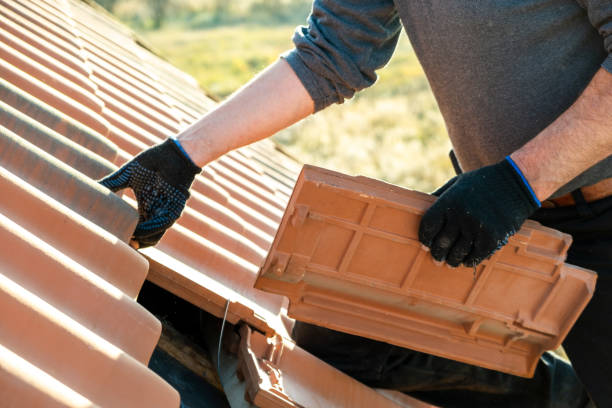
Closeup of worker hands installing yellow ceramic roofing tiles mounted on wooden boards covering residential building roof under construction. Closeup of worker hands installing yellow ceramic roofing tiles mounted on wooden boards covering residential building roof under construction. roofing repairs stock pictures, royalty-free photos & images

When selecting a roofing contractor, you may notice that many companies highlight the number of years they’ve been in business. This is not just a marketing tactic. The years of experience a roofing contractor has can directly impact the quality, reliability, and overall success of your roofing project. Below, we explore why the number of years in business truly matters when hiring a professional roofing contractor.

Expert Commercial Roofing Services with a Proven Track Record

  • A portfolio of completed projects.
  • Customer testimonials or lengthy reviews that attest to their professionalism.
  • Evidence of consistent work in your community.

This history helps homeowners feel confident about the company’s ability to deliver high-quality results.

Stability and Longevity with a Trusted Commercial Roofing Company

  • A permanent business location.
  • Strong relationships with suppliers for high-quality materials.
  • Well-trained employees who understand how to handle various types of projects.

In contrast, newer or less experienced contractors may lack these critical elements, which could lead to delays or shortcuts during your project.

3. Expertise and Skill Development

  • Stay updated on advancements in roofing technology.
  • Understand how to handle complex issues like structural damage or custom designs.
  • Work efficiently while maintaining safety protocols.

For homeowners, this translates into fewer mistakes, less risk, and better results.

4. Familiarity with Local Conditions

Factors Impact on Roofs
Weather patterns Materials chosen must withstand extremes
Local building codes Compliance ensures safety
Common architectural styles Helps match roof aesthetics

This knowledge allows experienced contractors to recommend solutions tailored specifically for your home and environment.

5. Better Warranty Options

Established companies are more likely to offer comprehensive warranties on both labor and materials. Additionally, because they have been around for many years, they are more likely to honor those warranties down the road should an issue arise.

What To Look For When Assessing Experience

  1. Have they handled projects similar in size and scope?
  2. How do they train their team members over time?
  3. Can they provide references spanning multiple years?

By digging deeper into their history, you can confirm whether their experience aligns with your project needs.

Hiring an experienced roofing contractor may require an upfront investment compared to newer or unproven companies, but the long-term benefits—such as durability, safety, and peace of mind—make it well worth it.

5 Key Benefits of Hiring a Roofing Contractor with Over a Decade of Experience

When it comes to roofing projects, experience matters. A contractor with over a decade of experience brings priceless expertise and reliability to the table, ensuring that your roofing needs are met with professionalism and quality craftsmanship. Below are five key benefits of working with an experienced roofing contractor.

1. Proven Track Record of Quality Work

  • Positive customer reviews: Long-standing professionals often have numerous testimonials from satisfied clients.
  • Portfolio of completed projects: Experienced contractors can showcase a wide array of projects, highlighting their ability to handle different roofing styles and challenges.
  • Repeat business and referrals: Contractors who consistently deliver quality work often gain repeat customers and word-of-mouth recommendations.

This extensive history demonstrates reliability, commitment to excellence, and the ability to adapt to various roofing requirements.

2. Expertise in Diverse Roofing Systems

Their expertise ensures they can recommend the best solutions tailored to your home’s specific needs while avoiding common mistakes associated with less-experienced installers.

3. Familiarity with Local Building Codes and Regulations

  • Ensure compliance with zoning laws.
  • Obtain necessary permits efficiently.
  • Handle inspections seamlessly.

An experienced professional reduces the risk of costly fines or delays caused by non-compliance.

4. Ability to Troubleshoot Complex Problems

Common Issues Insights from Experienced Contractors
Leaks Determining if water damage stems from flashing or underlayment failure
Poor ventilation Recognizing inadequate airflow causing moisture buildup
Structural concerns Diagnosing damage caused by sagging or weak roof support

Their problem-solving abilities ensure effective long-term solutions rather than quick fixes that lead to future complications.

5. Superior Warranties and Customer Support

  • Manufacturer warranties: Backing on materials due to established relationships with suppliers.
  • Workmanship guarantees: Confidence in their installation quality based on extensive experience.

Additionally, seasoned professionals are more likely to provide dependable customer service for ongoing maintenance or addressing post-installation concerns.

Hiring an experienced roofing contractor not only provides peace of mind but also significantly increases the likelihood that your project will be completed efficiently, on time, and within budget. When searching for a contractor for your next project, prioritize those who bring both time-tested skills and proven expertise to ensure optimal results for your home’s most important protective feature—its roof.

Storm Chasing in the Roofing Industry: What Homeowners Need to Know to Protect Themselves

In the roofing industry, “storm chasing” refers to contractors who travel to areas recently impacted by severe weather events, such as hailstorms, hurricanes, or tornadoes, offering their services to repair damaged roofs. While some storm-chasing contractors may provide legitimate services, many others engage in dishonest practices that can leave homeowners with subpar work or financial losses. Understanding how storm chasing works and recognizing red flags can help you make informed decisions and protect your home.

Why Are Storm Chasers Problematic?

  • Lack of Local Reputation: Many storm chasers are out-of-town companies with no local presence. They may complete work and then leave the area, making it difficult for homeowners to address warranty issues or additional repairs.
  • High-Pressure Sales Tactics: Some contractors use aggressive sales techniques to pressure homeowners into signing contracts without fully understanding the terms.
  • Low-Quality Materials and Workmanship: To maximize profits quickly, storm chasers may cut corners by using inferior materials or untrained workers.
  • Limited Accountability: Since they often operate without a permanent local office or established reputation, pursuing recourse for unsatisfactory work can be nearly impossible.

How to Identify a Storm Chaser

  1. Contractors from outside your area may show up in large numbers after severe weather events. Be cautious of companies with out-of-state license plates or phone numbers.
  2. Legitimate roofing companies typically do not rely on door-to-door sales tactics. If someone approaches your home uninvited claiming you have roof damage, verify their credentials before engaging further.
  3. Reputable roofing contractors should have an established business location nearby and be able to provide references from other homeowners in your community.
  4. Be wary of anyone urging you to sign an agreement on the spot or insisting that repairs must happen immediately due to safety concerns.
  5. Avoid any contractor who refuses to give you detailed documentation outlining the scope of work and associated costs.

Tips for Protecting Yourself

  • Work with Local Businesses: Choose contractors based in your area who have an established track record within your community.
  • Check Licensing and Insurance: Verify that the company holds proper licensing and insurance coverage required by your state or local government.
  • Request Multiple Estimates: Compare quotes from several reputable contractors before making a final decision.
  • Research Reviews and References: Look up customer reviews online through platforms like Google Reviews or Better Business Bureau (BBB). Ask for references from recent clients as well.
  • Avoid Paying Upfront: Reputable companies typically won’t require full payment before starting work. A reasonable deposit followed by progress payments is standard practice.

Sample Comparison Table

Feature/Attribute Local Roofers Storm Chasers
Business Location Permanent office nearby Temporary base (often out-of-state)
Warranty Support Readily available Difficult/impossible
Sales Approach Scheduled consultations Aggressive door-to-door tactics
Quality Assurance Uses high-quality materials May cut corners

By staying vigilant against common tactics used by storm-chasing roofing contractors, you can better protect yourself from scams while ensuring your home receives quality repairs from trustworthy professionals. Your roof is one of the most critical components of your house—investing time in selecting a reliable contractor will save you money and stress in the long run.

Roofing Contractor Certifications: Which Credentials Truly Matter for Quality Work?

When hiring a roofing contractor, certifications play a critical role in ensuring quality work and professionalism. With numerous contractors available, understanding which credentials are legitimate and essential can help you make an informed decision. Below, we’ll explore the most important certifications, what they signify, and how they contribute to a successful roofing project.

Why Certifications Matter in Roofing

  • Provide high-quality craftsmanship.
  • Follow proper installation techniques.
  • Meet or exceed local building codes.
  • Offer warranties backed by manufacturers or professional organizations.

By working with certified professionals, homeowners reduce the risks of subpar work or costly repairs over time.

Must-Have Roofing Contractor Certifications

  1. Manufacturer-Specific Certifications
    Many leading roofing material manufacturers offer certification programs for contractors who undergo specialized training with their products. Examples include:
  2. GAF Master Elite® Certification: Indicates advanced training and proficiency in GAF product installations. Only 2% of contractors nationwide achieve this designation.
  3. Owens Corning Preferred Contractor: Demonstrates expertise in Owens Corning materials and adherence to specific quality guidelines.
  4. CertainTeed SELECT Shingle Master™: Guarantees comprehensive knowledge of CertainTeed products and installation techniques.
  5. National Roofing Contractors Association (NRCA) Membership
    Contractors who are NRCA members have access to up-to-date information on industry standards and safety guidelines. While not a certification itself, NRCA membership signals professionalism within the roofing industry.
  6. Occupational Safety and Health Administration (OSHA) Training
    Safety is paramount in any construction-related field. Contractors with OSHA training demonstrate awareness of workplace safety regulations, reducing the likelihood of accidents on your property.
  7. State Licensing Requirements
    Most states require roofers to hold specific licenses to operate legally. Ensure your contractor has:
  8. A valid license number issued by your state or local government agency.
  9. Proof of compliance with insurance requirements (general liability insurance and workers’ compensation).
  10. Certified Green Roofer Designation
    For eco-conscious homeowners, choosing a contractor with sustainable practices is vital. The Certified Green Roofer program recognizes professionals committed to energy efficiency and environmentally friendly materials.

Red Flags Indicating Lack of Proper Credentials

Roofer builder worker installing roof shingles Roofer builder worker installing roof shingles. roofing repairs stock pictures, royalty-free photos & images

When evaluating contractors, watch out for these warning signs: 

– No proof of licensing or expired licenses. 

– Vague responses about training or certifications.

 – Reluctance to provide manufacturer warranty details. 

– Lack of reviews from past clients tied specifically to certified work.

Summary Table: Key Certifications at a Glance

Certification/Designation What It Represents Why It’s Important
GAF Master Elite® Advanced GAF product expertise Ensures proper installation/warranty coverage
Owens Corning Preferred Contractor Proficiency with Owens Corning systems High-quality workmanship
CertainTeed SELECT Shingle Master™ Expertise in CertainTeed materials Professional-grade installations
OSHA Training Knowledge of workplace safety Prevents accidents during the project
State Licensing Meets legal requirements Operates legally within your state

A certified roofing contractor brings professionalism, trustworthiness, and expertise to your project while ensuring compliance with legal standards and manufacturer’s guidelines. Prioritizing credentials during your hiring process minimizes risks while maximizing long-term satisfaction with your roof investment.

How to Identify and Avoid Roofing Scams with a Commercial Roofing Contractor

The roofing industry, like many others, is not immune to unethical practices. Homeowners are frequently targeted by unscrupulous contractors who rely on deceptive tactics to take advantage of unsuspecting individuals. Learning how to identify and avoid common roofing scams is crucial for protecting your investment, ensuring quality work, and avoiding unnecessary stress.

Common Roofing Scams to Watch Out For

  • Storm Chaser Scams
    After a major storm or natural disaster, you may encounter contractors going door-to-door claiming your roof has sustained damage. These “storm chasers” often pressure homeowners into signing contracts quickly without providing proper inspection reports or proof of damage.
  • Upfront Payment Fraud
    Some roofers demand large upfront payments before starting the work. Once paid, they may disappear without completing—or even beginning—the job.
  • Unnecessary Repairs
    Dishonest contractors might exaggerate or fabricate damage that doesn’t exist to upsell unnecessary repairs or a complete roof replacement.
  • Low-Ball Estimates
    Some companies offer suspiciously low estimates to secure your business but later inflate costs through hidden fees or bogus “unexpected issues” discovered during the project.
  • Using Substandard Materials
    Contractors with unethical practices might cut corners by using inferior materials while charging you for premium products.

Red Flags That Indicate a Potential Roofing Scam

  1. High-Pressure Sales Tactics: Contractors insisting that you sign a contract immediately before “special pricing” expires.
  2. No Licensing or Insurance Proof: Refusal or inability to provide proof of licensing and insurance.
  3. Lack of Written Contract Details: A reluctance to put the terms, costs, and timeline in writing.
  4. No Physical Office Address: Companies that lack a verifiable office location or online presence.
  5. Cash Payments Only: Requesting cash payments instead of checks or credit cards can indicate an attempt to avoid accountability.
  6. Out-of-State Plates/Temporary Setups: Storm chasers often arrive in town with unmarked vehicles and no long-term local ties.

How Homeowners Can Protect Themselves

Research Thoroughly

  • Verify licenses and certifications with local regulatory bodies.
  • Look up reviews on platforms such as Google, Yelp, and Better Business Bureau (BBB).
  • Request referrals from friends, family members, or neighbors who have had successful roofing projects completed recently.

Insist on Documentation

Make sure all aspects of your project are clearly documented in a written contract:

– Cost breakdown

– Materials being used (with brand names if possible)

– Project timeline

– Warranty details (for both materials and labor)

Get Multiple Estimates

Obtain at least three estimates from reputable contractors for comparison purposes. Be wary of bids that seem unusually low compared to others; they could be too good to be true.

Verify Insurance Coverage

Ask for proof of liability insurance as well as workers’ compensation coverage for their employees. This protects you from being held financially responsible if an accident occurs during the project on your property.

Sample Comparison Table: Low-Ball vs Professional Estimate

Criteria Low-Ball Estimate Professional Estimate
Price Unusually low Fair market value
Contract Details Vague Clear terms provided
Material Quality Unspecified High-quality materials specified
Timeline Unrealistically fast Reasonable completion timeframe

Taking these steps not only ensures peace of mind but also enhances long-term satisfaction with your roofing investment while protecting yourself against costly mistakes caused by unethical contractors. Always hire professionals who uphold high industry standards so that both safety and quality remain uncompromised in this critical aspect of home maintenance.

Protecting Yourself Against Roofing Scams: Recognizing Fake Damage Tactics by Dishonest Contractors

Homeowners may encounter roofing contractors who use deceitful tactics to take advantage of their lack of industry knowledge. Fake damage claims are one of the most common scams employed by dishonest contractors. Understanding these tactics and knowing how to recognize them can help you protect your investment and ensure your roof is properly maintained. Here’s an in-depth look at identifying these schemes.

Common Fake Damage Tactics

  • High-Pressure Sales Pitches: Fraudulent contractors may create a sense of urgency by claiming your roof is severely damaged and must be repaired immediately.
  • Inflated Damage Reports: They might exaggerate the extent of wear and tear or fabricate issues to justify costly repairs or replacements.
  • Unsolicited Inspections: Some scammers offer unsolicited “free inspections” and then report non-existent or exaggerated damage to pressure you into hiring them.
  • Fake Photographs: Contractors might show photos of damage that isn’t actually from your roof, misleading you into believing repairs are necessary.
  • Claiming Insurance Approval: They may falsely assure you that your insurance will cover all costs, only for you to later discover otherwise.

Steps to Identify Roofing Scams

  1. Check for valid licensing, insurance coverage, and professional certifications.
  2. Look for affiliations with reputable organizations like the National Roofing Contractors Association (NRCA).
  3. Ask for written inspection reports that clearly detail any alleged damage.
  4. Request before-and-after photos for verification purposes.
  5. Seek evaluations from multiple contractors to compare findings and quotes.
  6. Be wary if one contractor reports significant damage while others find minimal issues.
  7. Speak with previous clients or check online reviews on trusted platforms.
  8. Avoid companies with consistent negative feedback related to dishonesty.
  9. Be cautious if a contractor shows up at your door after a storm offering immediate inspections or repairs.
  10. Research their background thoroughly before agreeing to any work.

Sample Table: Red Flags vs Legitimate Practices

Red Flags Legitimate Practices
Insists on upfront payment Offers clearly outlined payment terms
Provides vague inspection reports Delivers detailed findings with evidence
Creates unnecessary urgency Gives you time to make informed decisions
No verifiable credentials Displays licenses, insurance, & references

What Homeowners Can Do Next

Arming yourself with knowledge is critical in avoiding roofing scams. Stay informed about your roof’s condition through regular professional inspections by trustworthy contractors. If a contractor’s behavior raises suspicion, do not hesitate to seek clarification or decline their services altogether.

By remaining vigilant and adopting these preventative measures, homeowners can minimize the risk of falling prey to fake damage tactics commonly used by dishonest roofing contractors.

How to Choose the Right Roofing Contractor for Your Home Improvement Project

Selecting the right roofing contractor for your home improvement project is a critical decision that can impact the longevity, safety, and value of your home. A well-chosen contractor ensures quality work, adherence to industry standards, and peace of mind throughout the project. Here are some essential factors and steps to consider when choosing a roofing contractor.

Researching Potential Contractors

  • Online reviews: Check platforms like Google Reviews, Better Business Bureau (BBB), or Yelp for customer feedback.
  • Referrals: Ask neighbors, friends, and family about their experiences with local contractors.
  • Local presence: Choose contractors with an established office in your community to ensure they are accessible if follow-up work is needed.

Key Criteria for Evaluating Roofing Contractors

  1. Verify that the contractor has a valid license to operate in your state or region.
  2. Ensure they carry both liability insurance and workers’ compensation insurance to protect against damages or accidents.
  3. Look for contractors with at least 5–10 years of experience in the industry.
  4. Contractors with extensive experience are more likely to deliver quality results and handle unexpected challenges effectively.
  5. Check for manufacturer certifications (e.g., GAF Master Elite®, CertainTeed Select Shingle Master™) as these indicate advanced training and expertise.
  6. Confirm whether the contractor offers both workmanship warranties (covering labor) and product warranties (from manufacturers).

Questions to Ask During Consultations

  • How long have you been in business?
  • Can you provide references from past clients?
  • What roofing materials do you recommend for my project, and why?
  • What steps will you take to protect my property during installation or repairs?

Requesting Detailed Estimates

Estimate Component Details
Scope of Work Description of tasks involved in repair or replacement
Materials Type, brand, and quantity of roofing materials
Labor Costs Breakdown of labor charges
Timeline Estimated start date and project duration
Payment Terms Deposit requirements and payment schedule

Avoid choosing solely based on price; instead, focus on value by weighing cost against experience, certifications, warranty coverage, and material quality.

Red Flags to Watch For

  • Lack of proper licensing or insurance.
  • High-pressure sales tactics aimed at rushing decisions.
  • Requests for full payment upfront before starting work.
  • Inability or unwillingness to provide references or documentation.

Finalizing Your Decision

Once you’ve conducted thorough research and compared estimates carefully, choose a contractor who aligns with your goals, budget, and expectations. Make sure all terms are clearly outlined in a written contract before any work begins.

Choosing the right roofing contractor takes diligence but ensures that your investment leads to long-lasting results that enhance both the function and aesthetic appeal of your home.


7 Most Important Questions to Ask a Commercial Roofing Contractor Before Hiring

roof repair construction worker roofer man roofing security rope roofer construction roof maintenance rope security worker roofing repairs stock pictures, royalty-free photos & images

1. Are You Licensed and Insured?

Ensuring your contractor is licensed and insured protects you from unnecessary risks. A licensed contractor demonstrates compliance with local regulations, while insurance coverage safeguards you from liability in case of accidents or property damage during the project.

Things to verify:
– Valid state or local license number
– Proof of general liability insurance
– Workers’ compensation coverage

2. What Is Your Experience in Roofing Projects Similar to Mine?

Experience matters when it comes to roofing. Ask how many years they’ve been in business and whether they’ve worked on projects with similar materials or complexities as yours.

Questions to follow up on:
– How many projects like mine have you completed?
– Do you specialize in specific roofing materials (e.g., shingles, metal, tile)?

3. Can You Provide References or Examples of Past Work?

Reputable contractors should have no issue providing references from previous clients or showcasing examples of their work through photos or portfolios.

What to ask references:
– Was the project completed on time and within budget?
– Were there any issues, and were they resolved satisfactorily?

4. What Does Your Timeline Look Like for This Project?

Understanding the estimated timeline ensures realistic expectations for both parties and helps you plan accordingly.

Things to clarify:
– Expected start date and duration of the project
– Potential delays due to weather or other factors

5. How Will You Handle Unexpected Issues During the Project?

Unexpected problems, such as hidden structural damage, can arise during roof repairs or installation. Ask about their process for addressing unforeseen challenges.

Points to discuss:
– How will additional costs be communicated and approved?
– What steps will be taken if major structural damage is discovered?

6. What Warranties Do You Offer on Materials and Labor?

Understanding warranties ensures long-term protection for your investment. Differentiate between warranties offered by manufacturers (materials) and those provided by the contractor (labor).

Key details to confirm:
| Warranty Type | Coverage Provided | Duration |
|———————–|———————————-|——————–|
| Manufacturer Warranty | Defects in roofing materials | X years (varies) |
| Workmanship Warranty | Issues related to installation | Typically X years |

7. Can You Provide a Detailed Written Estimate?

A comprehensive written estimate protects against misunderstandings about pricing and scope of work.

The estimate should include:
– Cost breakdown (materials, labor, permits)
– Payment schedule
– Specific details about materials used

By asking these key questions, you can confidently select a roofing contractor who aligns with your expectations while minimizing potential risks associated with your project. Always take time to compare multiple contractors before making a final decision for optimal results and peace of mind.

Reliable Commercial Roofing Services with Transparent Communication

One of the most critical ways contractors handle unforeseen issues is through clear and transparent communication. A professional contractor will:
Inform homeowners promptly about any hidden damage discovered during the work.
– Explain the nature of the issue in detail and its potential impact on the project.
– Provide visual evidence, such as photos or videos, to help homeowners understand the problem better.

This transparency helps build trust and ensures that both parties are aligned on how to proceed.

Comprehensive Services from a Trusted Commercial Roofing Company

Experienced contractors often conduct comprehensive inspections before beginning any work.

These inspections aim to uncover potential issues that may not be visible at first glance, such as:
– Rotten decking beneath shingles
– Structural vulnerabilities caused by water damage
– Mold growth or pest infestations affecting roof underlayment

By identifying risks during this preliminary phase, contractors can provide more accurate estimates and reduce surprises later.

Change Order Process

A reputable contractor will follow a structured process for handling scope changes due to unforeseen circumstances. This typically includes:
1. Assessing and documenting the newly discovered issue.
2. Preparing an updated cost estimate for additional work required.
3. Presenting a formal “change order” document outlining new charges for homeowner approval before proceeding further.

This process ensures that all changes are documented in writing and agreed upon by both parties before any additional costs are incurred.

Providing Flexible Payment Options

Hidden damages can strain a homeowner’s budget unexpectedly, so some contractors offer flexible payment solutions, such as:
– Payment plans tailored to address added expenses over time. 

– Financing options through third-party providers specializing in home improvement loans. 

– Deferred payment options until certain milestones in the project are achieved.

This flexibility enables homeowners to manage unexpected costs without significant financial stress.

Proactive Contingency Planning

Professional roofing companies often recommend including contingency funds within your budget when planning a roof replacement or repair project—typically around 10%-20% of the total estimated cost. Should unexpected issues arise, this reserve helps cover additional expenses without disrupting progress.

Contingency Budget Table Calculation Example
Estimated Project Cost $10,000
Recommended Contingency 15%
Total Reserve $1,500

Contractors who advocate contingency planning demonstrate responsibility and awareness of common unforeseen issues in roofing projects.

Ethical Practices When Resolving Issues

Not all hidden damages require expensive fixes immediately; some may be manageable with temporary solutions while awaiting permanent repairs later if budget constraints exist. Ethical contractors will assess urgency honestly instead of pressuring homeowners into unnecessary upgrades or immediate repairs unless absolutely essential for safety reasons.

Hiring a contractor who is prepared to manage unexpected costs effectively can make all the difference in ensuring your roofing project remains on track without unnecessary delays or disputes over budgets.

Understanding the Warranties Offered by Professional Roofing Contractors

When hiring a roofing contractor, it is essential to understand the warranties they provide. A warranty not only protects your investment but also ensures peace of mind knowing that your roof is backed by a guarantee of quality and durability. However, not all warranties are the same. Below is a detailed guide to help you navigate and comprehend the warranties offered by professional roofing contractors.

Types of Roofing Warranties

  1. Covers installation errors or defects caused by improper labor.
  2. Typically provided by the roofing contractor directly.
  3. Coverage duration can range from one year to several years, depending on the company’s policies.
  4. Covers defects in roofing materials such as shingles, underlayment, or flashing provided by the manufacturer.
  5. Often longer than workmanship warranties, with some lasting up to 30 years or more for premium materials.
  6. May include prorated and non-prorated options, with non-prorated offering full coverage for eligible issues within a specified period.

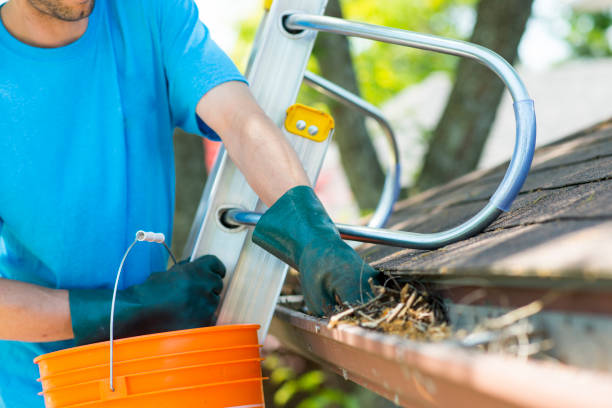
Maintaining the House Includes Eavestrough Cleaning Closeup view of an anonymous worker standing on a ladder leaning on the roof of a house and scooping out the eavestrough or roof gutters to clean them for the upcoming winter. He is wearing protective gloves and scooping the collection into a bucket. roofing repairs stock pictures, royalty-free photos & images

Key Factors to Consider in a Roofing Warranty

  • Coverage Period: Understand how long each warranty lasts and what specific components it covers during that timeframe.
  • Transferability: If you plan to sell your home in the future, check whether the warranty can be transferred to new owners. Some manufacturers allow one transfer within a limited period after installation.
  • Exclusions: Carefully review any exclusions in the warranty terms—such as damage caused by natural disasters (e.g., hurricanes) or poor maintenance—to avoid surprises later.
  • Prorated vs Non-Prorated Coverage: Prorated coverage decreases its value over time, while non-prorated warranties maintain full benefits throughout their term.

Questions to Ask About Warranties

  • What specific types of warranties do you offer for both workmanship and materials?
  • Are there any additional costs associated with extended warranty periods?
  • What voids this warranty? Does failure to perform regular maintenance impact coverage?
  • Who should I contact if I need to file a claim—your company or the material manufacturer?

Common Misconceptions About Roofing Warranties

Misconception Actuality
All damages are covered Only specified issues like material defects or installation errors apply
No maintenance required Neglecting roof upkeep may void parts of your warranty
Warranty lasts indefinitely Most have defined expiration dates

Understanding these realities can help you set realistic expectations about what your roof’s warranty will—and won’t—cover.

Why Researching Warranties Matters

A well-researched and properly understood roofing warranty ensures that you’re making an informed decision when investing in one of your home’s most critical components. Partnering with a contractor who offers clear and comprehensive warranties demonstrates their confidence in delivering quality workmanship and provides added assurance for years to come.

The Importance of Having a Written Contract When Hiring a Roofing Contractor

When hiring a roofing contractor, one of the most critical steps in the process is ensuring that you have a detailed written contract. A well-drafted contract not only protects both parties involved but also helps establish clear expectations for the project’s scope, cost, and timeline. Below, we explore why having a written agreement is essential and what key elements should be included.

Why Is a Written Contract Important?

  1. Clarity and Transparency
    A written contract provides clarity on all aspects of the roofing project, minimizing misunderstandings or disputes later on. Verbal agreements can often lead to miscommunication, whereas written terms ensure that everyone is on the same page.
  2. Legal Protection
    If any disagreements or issues arise during or after the project, a written contract serves as legal proof of what was agreed upon. This provides protection for both homeowners and contractors.
  3. Defines Responsibilities
    Clearly outlining responsibilities prevents delays caused by confusion over who is responsible for specific tasks.
  4. Prevents Hidden Costs
    Contracts that define payment terms and costs can help avoid unexpected charges or disputes over financial aspects of the project.

Key Elements to Include in a Roofing Contract

  • Detailed description of tasks involved (e.g., removing old roofing material, installing shingles).
  • Specification of materials to be used (type, brand, color).
  • Start date and estimated completion date for the project.
  • Total cost of the project is broken down into labor and material costs.
  • Payment schedule: upfront deposit, progress payments (if applicable), and final payment upon completion.
  • Information about workmanship warranties offered by the contractor.
  • Manufacturer warranties for materials used in the project.
  • Insurance Requirements
    Ensure that proof of insurance coverage (liability insurance and workers’ compensation) is documented within or alongside the agreement.
  • Change Order Policy
    Define how changes to the original scope will be handled — including when additional charges may apply — to avoid surprises during construction.

Benefits for Both Homeowners and Contractors

  1. Peace of mind knowing expectations are formalized.
  2. Assurance that quality standards will be met according to agreed specifications.
  3. Clear protection from claims or misunderstandings regarding their work.
  4. Ability to refer back to documented expectations if disputes occur.

Helpful Tips When Reviewing Roofing Contracts

  • Review every clause carefully — seek clarification on anything unclear.
  • Ensure all verbal agreements made with your contractor are added to the written document.
  • Avoid signing contracts with vague language like “as needed” or “extra costs apply,” unless explicitly explained in detail.

A well-prepared contract ensures your roofing project progresses without unnecessary stress or confusion while safeguarding everyone’s interests throughout its duration.

Key Factors to Consider Before Paying in Full for Roofing Services

When hiring a roofing contractor, managing payments effectively is crucial to ensure the project is completed to your satisfaction. Paying the full amount upfront can expose you to potential risks. Here are some key factors to consider before making your final payment for roofing services.

1. Verify Completion of the Project

Before paying in full, confirm that all agreed-upon work has been completed as outlined in your contract. 

To ensure this:
– Conduct a walkthrough or inspection with the contractor.
– Compare the finished roof against project specifications and drawings, if applicable.
– Check for any visible defects such as uneven shingles, exposed nails, or incomplete flashing installations.

2. Request Proof of Cleanup and Waste Disposal

Roofing projects often leave behind debris such as nails, scrap materials, and old shingles. A professional contractor should ensure proper cleanup after completing the job.

Here’s what you can check:
– Confirm that all debris has been cleared from your property, including gutters and surrounding areas.

 – Ask if they used a magnetized sweeper to remove stray nails from lawns or driveways.

3. Inspect for Hidden Issues or Repairs

Even after initial completion, there may be issues that were not immediately apparent. Before making final payment:
– Inspect attic spaces and ceilings for leaks or water stains.

 – Review any minor touch-ups or fixes discussed during the walkthrough.

 – Ask if there were unexpected repairs handled during the project and verify they match what was agreed upon.

4. Review All Warranties and Documentation

Professional roofing contractors typically provide warranties on both materials and workmanship.

Before settling payments:
– Ensure you receive copies of manufacturer warranties for roofing materials like shingles or underlayment.

 – Obtain a written workmanship warranty from the contractor detailing coverage terms.

 – Keep these documents organized for future reference in case repairs are needed.

Warranty Type Coverage Duration
Material Warranty Covers defects in roofing materials Often 10–50 years
Workmanship Warranty Covers installation-related issues Typically 1–10 years

5. Confirm Compliance with Local Codes and Permits

Most roofing projects require permits to comply with local building regulations. Work performed without proper permits can lead to fines or complications when selling your home later on.

Make sure your contractor:

 – Acquired necessary permits before starting work.

 – Passed inspections required by local authorities after completing the project.

Request copies of permit approvals as proof of compliance before issuing final payment.

6. Understand Payment Terms

Review your payment agreement carefully before making any transactions:

 – Have clear documentation showing total cost breakdowns (labor, materials, taxes).

 – Avoid rushing into full payments until milestones outlined in contracts have been met.

Additionally: Ask whether partial retention—holding back a percentage temporarily—is possible until post-project inspections confirm quality assurance standards are met over time (e.g., weather resistance).

By following these steps thoroughly while communicating openly with contractors throughout each phase—your investment remains protected long-term without compromising peace-of-mind .


How to Choose the Right Commercial Roofing Contractor for Your Needs

Worker doing roof repair with safety. Worker doing roof repair with safety. roofing repairs stock pictures, royalty-free photos & images

Selecting the right roofing contractor is a crucial decision that can impact the quality, durability, and longevity of your roof. With so many contractors available, it’s essential to make an informed decision to meet your home’s unique needs. Below are some key considerations and steps to help you choose the ideal roofing professional.

Evaluate Expertise and Experience

  • Look for contractors who specialize in the type of roofing material you need, whether it’s asphalt shingles, metal roofing, tile, or flat roofs.
  • Seek contractors with at least five years of proven experience in residential or commercial roofing projects.

Hiring a seasoned professional ensures they have handled various challenges and can deliver high-quality workmanship.

Verify Licensing and Credentials

Checking credentials is non-negotiable when hiring a roofer. Ensure the contractor:
– Holds valid state or local licenses (if required in your area).
– Is certified by reputable manufacturers (e.g., CertainTeed, GAF).
– Has industry-recognized certifications such as those from the National Roofing Contractors Association (NRCA).

Proper licensing and certifications demonstrate their adherence to industry standards.

Check References and Reviews

Customer feedback offers valuable insights into a contractor’s reliability and professionalism. To gauge reputation:
– Request references for recent projects similar to yours.
– Browse online reviews on platforms such as Google, Yelp, or Angi. Look at both positive feedback and how they handle complaints.

Choose contractors who consistently receive high ratings for communication, timeliness, and workmanship.

Obtain Multiple Estimates

Comparing estimates helps ensure you get good value without compromising on quality. When reviewing quotes:
1. Request detailed cost breakdowns for labor, materials, permits, cleanup services, etc.
2. Be cautious of extremely low bids—they may indicate subpar materials or shortcuts during installation.

Importance of Insurance Coverage

Proper insurance protects both you as a homeowner and the contractor in case of accidents or damage during the project. Prioritize roofing professionals who carry: | Type of Insurance | Why It Matters | |————————–|—————————————————-| | General Liability | Covers property damage during installation | | Workers’ Compensation | Protects workers injured on your property |

Always request proof of insurance before signing any agreement.

Insist on Written Contracts

A written contract protects both parties by detailing project scope and expectations clearly. Key elements should include:
– Start date and completion timeline. 

– Payment schedule. 

– Warranty details for materials and workmanship.

Avoid verbal agreements—they leave room for misunderstandings down the line.

By following these steps carefully—evaluating experience, verifying credentials, checking reviews/references—homeowners can confidently select a reliable contractor who will deliver exceptional results while meeting their specific needs efficiently.

Choosing a Commercial Roofing Contractor Residents Can Trust

Choosing the right roofing contractor is one of the most significant decisions you can make for your home. Opting for a local roofer with proven experience not only ensures high-quality work but also offers peace of mind that your investment is protected. Below, we dive into why prioritizing a local contractor with a reliable track record is essential.

Benefits of Hiring a Local Roofing Contractor

  • Familiarity With Local Building Codes: Local roofers understand municipal building codes and regulations, ensuring your roof complies with all legal requirements.
  • Knowledge of Regional Climate Conditions: Experienced local contractors are familiar with weather patterns in your area and can recommend materials and designs that hold up well under those specific conditions.
  • Quick Response Times: A nearby roofer can quickly assess damages or provide timely service, particularly during emergencies like storms or leaks.
  • Established Reputation: A well-regarded local contractor often has strong ties to the community, offering you the chance to check reviews, testimonials, and completed projects.

Why Experience Matters

  1. Problem-Solving Skills
    Experienced contractors have encountered various roofing issues over their careers, equipping them to handle unexpected challenges effectively.
  2. Material Knowledge
    A seasoned professional understands which materials perform best for different types of roofs and climates, helping you make informed decisions.
  3. Efficient Project Management
    With years of practice, experienced roofers streamline processes from start to finish—reducing delays while maintaining precision.

Questions to Ask Before Hiring

Question Why It’s Important
How long have you been operating locally? Indicates stability within the community
Do you have customer references nearby? Provides proof of past work quality
What roofing systems do you specialize in? Helps determine expertise in handling your specific needs

Potential Risks of Not Hiring Locally

  • Difficulty With Follow-Up Services: If problems arise after installation, it may be harder for an out-of-town company to address them promptly.
  • Lack of Accountability: Contractors without roots in your area may be less motivated to maintain their reputation through high-quality work.
  • Storm Chasers: Some non-local contractors exploit post-storm opportunities but fail to deliver lasting quality (more on this under another header).

By selecting an experienced local roofer who genuinely understands both regional conditions and community expectations, you safeguard not just your home but also ensure a smooth project experience from start to finish.

Important Factors to Consider When Choosing Commercial Roofing Services

Hiring a roofing contractor is a significant decision for homeowners, and reading reviews is one of the most reliable ways to ensure you make an informed choice. Reviews provide insights into past customer experiences, helping you gauge the professionalism, quality, and reliability of a roofing contractor. Here are some key reasons why reading reviews should be an essential part of your hiring process.

1. Assessing Quality of Work

Reviews often include detailed feedback on the quality of work delivered by a contractor. Homeowners frequently share whether their roofs were installed, repaired, or replaced to their satisfaction.
– Look for comments about durability: Did the roof withstand harsh weather conditions after installation?
– Check for mentions of craftsmanship: Were shingles or materials installed properly?
– Pay attention to specifics: Did customers note any recurring issues after the project was completed?

2. Understanding Customer Service Standards

Customer service is as important as the technical roofing work itself. 

Reviews can reveal how contractors interact with clients throughout the process:
– Was communication clear and professional?
– Were timelines adhered to?
– Did they respond promptly to concerns or questions?

Positive customer service reviews often indicate that the contractor values client satisfaction and follows up on commitments made during consultations.

3. Identifying Potential Red Flags

Negative reviews can serve as warning signs when selecting a roofing contractor. Repeated complaints about specific issues should not be ignored, such as:
– Missed deadlines or unexpected delays without explanation.
– Poor-quality materials used during projects despite high costs charged.
– A lack of responsiveness when customers raised concerns post-completion.

4. Comparing Contractors Effectively

Reviews allow you to compare several contractors in your area before making your decision. By analyzing feedback across multiple platforms—such as Google Reviews, Yelp, or websites like Angi—you can better understand which contractors have consistently positive reputations versus those with mixed or negative feedback.

Example Table: How Review Platforms Can Help You Compare Contractors
Platform Pros Cons
Google Reviews Broad reach; wide range of experiences shared May include fake/spam reviews
Yelp Detailed customer insights Limited number of reviewers in some areas
Angi (formerly Angie’s List) Verified professionals listed; comprehensive reports Subscription may be required

5. Building Trust Through Transparency

A strong portfolio complemented by genuine customer reviews inspires confidence in potential clients. Contractors who have transparent pages filled with testimonials often show they take pride in their projects and relationships with homeowners.

How to Choose the Best Commercial Roofing Company

  1. Prioritize detailed feedback – Longer posts offering context tend to be more reliable than vague statements like “great service.”
  2. Look at recent experiences – Focus on comments posted within the last year since they reflect current practices better than older ones.
  3. Search for patterns – A single bad review may not signify poor performance overall; however, consistent negative trends could indicate systemic issues.
  4. Balance positive against negative – No company is perfect; even highly rated contractors might have occasional shortcomings explained fairly in their overall profile.


Steps to Verify Licensing and Insurance for Roofing Contractors

Hiring a roofing contractor is a significant decision, as your roof plays a critical role in protecting your home. Verifying a contractor’s licensing and insurance ensures you are working with a legitimate professional who adheres to industry standards. Below are essential steps to follow when confirming these credentials.

1. Confirm Licensing Requirements

  • Ask for Their License Number: Reputable contractors should have no issue providing their license number upon request.
  • Check with Local Authorities: Contact your state or local licensing board to confirm the validity of the contractor’s license.
  • Search Online Databases: Many states maintain online directories where you can check the status of a contractor’s license.

A valid license ensures that the contractor has met all local qualifications, including necessary training and exams, to operate in your area.

2. Verify General Liability Insurance

  • Request a Certificate of Insurance directly from the contractor.
  • Look for coverage details such as policy dates and limits.
  • Contact the insurance provider listed on the certificate to confirm that the policy is active.

Without proper liability insurance, any property damage caused during roofing work could fall on you as the homeowner.

3. Verify Workers’ Compensation Coverage

  • Ask for proof of workers’ compensation insurance.
  • Double-check with their insurer to ensure valid coverage.
  • Avoid hiring contractors who claim they do not need workers’ compensation due to small team sizes; this could expose you to unnecessary risks.

4. Beware of Red Flags

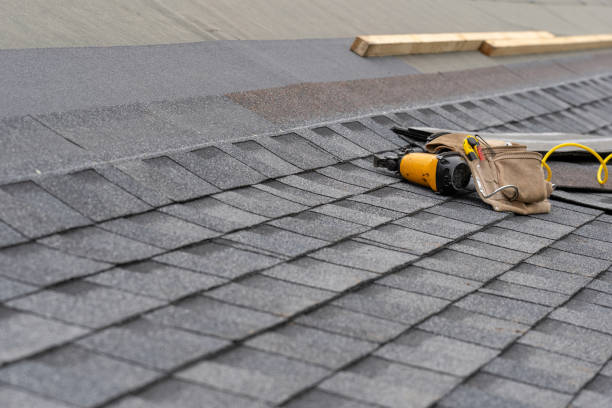
Photo of toolbelt with instrument and nail gun lying on asphalt or bitumen shingle on top of the new roof under construction residential house or building Photo of toolbelt with instrument and nail gun lying on asphalt or bitumen shingle on top of the new roof under construction residential house or building roofing repairs stock pictures, royalty-free photos & images

Red Flag Description
No Documentation The contractor refuses or delays showing proof of licensing or insurance.
Outdated Policies Policies that have expired or inconsistent coverage details.
Unwillingness to Cooperate Hesitancy or lack of transparency when asked about credentials

A reliable roofing professional will always be transparent about their qualifications.

5. Keep Records Organized

Once you’ve obtained proof of licensing and insurance, make copies of all documents and organize them in one place before work begins on your roof. This practice will protect you in case any disputes arise later during or after project completion.

Taking these steps ensures not only compliance with local regulations but also peace of mind knowing you’re working with qualified and insured professionals who prioritize safety and accountability in their work practices.

Why You Should Always Get Your Roofing Project Details in Writing

When hiring a roofing contractor, clear communication and proper documentation play a vital role in ensuring the success of your project. One of the most critical steps in this process is obtaining all project details in writing. A written agreement protects both you and the contractor, minimizes misunderstandings, and serves as a legal reference if disputes arise. Below are key reasons why this step is essential and what details should be included.

Benefits of Getting Roofing Project Details in Writing

  1. A written agreement ensures that both parties have a mutual understanding of what work will be performed.
  2. It outlines specific tasks, such as roof replacement, repair, or inspection.
  3. Prevents scope creep by setting clear expectations from the onset.
  4. A detailed contract breaks down costs for materials, labor, and any additional fees.
  5. Helps you compare estimates from multiple contractors more effectively.
  6. Provides protection against unexpected charges or hidden fees later on.
  7. Establishes start dates and estimated completion dates for the project.
  8. Ensures accountability by holding the contractor to agreed timelines.
  9. Allows you to plan around the roofing work with minimal disruptions.
  10. In case of a dispute or breach of contract, a written document can serve as legal evidence.
  11. Helps avoid costly misunderstandings that could lead to litigation.
  12. Clearly states warranty terms for both labor and materials used in your roofing project.
  13. Ensures that you know how long coverage lasts and what is included under the warranty.

Key Components to Include in Your Written Agreement

Component Description
Project Description A detailed explanation of the work being done, including specific materials used (e.g., asphalt shingles).
Cost Breakdown Itemized list showing labor costs, material costs, taxes, and any additional services.
Payment Terms Information on deposit requirements, payment schedules, and final payment conditions.
Timeline Start date, estimated completion date, and provisions for weather-related delays.
Liability Insurance Proof that the contractor carries liability insurance to protect your property during the project.
Permits Details on who is responsible for obtaining necessary permits (usually the contractor).
Warranty Information Specific terms covering both workmanship warranties and material guarantees.

Tips for Finalizing Your Agreement

  • Carefully review every detail before signing to ensure it aligns with your expectations.
  • Never accept vague language such as “as needed” or “to be determined.” Insist on specifics instead.
  • Request clarification on any terms or conditions you don’t fully understand.
  • Keep a copy of the signed contract for your records.

Taking these precautions not only protects your investment but also sets up a smooth working relationship with your chosen roofer. Always remember: verbal agreements may be convenient but lack enforceability if issues arise during or after the project’s completion.

Understanding the Risks of Hiring Storm Chasers for Roofing Jobs

Storm chasers are roofing contractors or companies that travel to areas recently affected by severe weather events, such as hurricanes, tornadoes, or hailstorms. These contractors often promise quick and inexpensive repairs to homeowners eager to fix storm-related damage. While this might sound appealing, there are significant risks associated with hiring storm chasers for roofing jobs.

What Are Storm Chasers?

Storm chasers typically operate in a transient manner, moving from one storm-affected region to another. They often rely on aggressive marketing tactics such as door-to-door sales, offering free inspections, and creating a sense of urgency with homeowners.

Characteristics of storm chasers include: 

Temporary presence: Their operations are short-term and may lack local ties or long-term commitments. 

Out-of-state licensing: Many storm chasers are not licensed in the state where they operate. 

High-pressure sales tactics: Homeowners may feel rushed into decisions without proper research.

Risks of Hiring Storm Chasers

  1. Substandard Workmanship
    Due to their transient nature, storm chasers often prioritize speed over quality. Poor roofing installation or repair work can result in future issues such as leaks or structural damage.
  2. Warranty Issues
    Reliable roofing contractors usually offer warranties on labor and materials. However, since storm chasers often leave the area once their work is complete, it can be difficult—or impossible—to have warranty claims addressed.
  3. Unverified Credentials
    Some storm chasers may lack proper licensing or insurance required by your state. This could leave homeowners liable for accidents or damages during the project.
  4. Fraudulent Practices
    In some cases, storm chasers may take payment upfront and fail to deliver services or complete the job properly.
  5. Lack of Follow-Up Services
    Roofs require periodic maintenance and inspection even after installation or repairs are completed. Storm chasers rarely provide follow-up services due to their non-local operation model.
Risk Potential Impact
Substandard Work Increases risk of leaks or further roof damage
Warranty Issues No resolution if problems arise after completion
Unverified Licensing Possible legal issues; homeowner liability for accidents
Fraudulent Practices Partial work completion; financial losses
No Follow-Up Limited access to post-project support

How to Avoid Storm Chaser Scams

Protect yourself from potential issues by following these tips:

 – Hire Local Contractors: Choose roofing professionals with established reputations in your community. 

Request Proof of Licensing and Insurance: Verify that the contractor is legitimate before agreeing to any terms.

 – Check Reviews and References: Look for online reviews and ask for referrals from past clients.

 – Avoid High-Pressure Sales Tactics: Do not feel obligated to sign a contract immediately; take time to research thoroughly. 

Get Written Estimates: Ensure all project details are documented clearly before proceeding.

By taking these precautions, you can reduce risks associated with hiring unreliable contractors and ensure your home receives quality roofing care tailored to your needs.

Latest News and Updates in the World of Professional Roofing Contractors

The roofing industry continues to evolve with advancements in technology, shifts in consumer preferences, and changes in regulations. Staying informed about the latest news and updates is critical for both homeowners and roofing professionals. Below are some key trends, innovations, and updates shaping the roofing industry today.

Advancements in Roofing Materials

  • Cool Roofing Materials: Designed to reflect more sunlight and absorb less heat, cool roofs help reduce energy costs during warmer months. This technology has become increasingly popular among environmentally-conscious homeowners.
  • Solar-Integrated Roofs: Solar shingles are gaining traction as a sustainable option for homeowners looking to reduce their dependence on traditional energy sources while maintaining a sleek roof appearance.
  • Recycled Roofing Products: Many manufacturers now offer roofing materials made from recycled content, such as rubber or plastic, making these options both eco-friendly and cost-effective over time.
Material Type Benefits Popularity Trend
Cool Roofing Materials Energy savings Increasing
Solar Shingles Renewable energy integration Growing rapidly
Recycled Products Eco-friendly & cost-efficient Steady growth

Increased Focus on Safety Regulations

  • Use of improved fall protection systems to minimize accidents during roof installations or repairs.
  • Regular training sessions mandated for workers handling hazardous materials such as asbestos or certain adhesives used in roofing projects.
  • Updated safety protocols addressing extreme weather conditions that could pose risks during roof work.

The Role of Technology in Streamlining Operations

  • Drone Roof Inspections: Drones allow contractors to assess roof damage quickly without additional risk of climbing unstable structures manually.
  • Roofing Software Solutions: Cloud-based applications enable contractors to provide precise estimates, manage schedules efficiently, and store project-related data securely.
  • Thermal Imaging Cameras: These tools help identify leaks or insulation issues without invasive techniques.

Sustainability Trends Driving Change

  • Green roofs with vegetation layers improve insulation while supporting biodiversity.
  • Reflective coatings lower cooling demands by increasing heat reflection.

Homeowners choosing sustainable options may qualify for tax incentives depending on their location—adding financial appeal beyond environmental benefits.

Industry Challenges & Opportunities Ahead

1) Labor shortages remain challenging – pushing skilled workforce development initiatives forward 

2) Climate concerns emphasize resilient designs tailored against storms/flood damage patterns.

By keeping pace with these updates alongside identifying reputable partners adapting accordingly ensures smoother execution processes focused quality-purpose alignment

Latest News and Updates in the World of Professional Roofing Contractors

The roofing industry is constantly evolving. From technology advancements to changes in regulations and market trends, staying informed about the latest updates ensures homeowners and contractors alike make educated decisions. Below are some recent developments and trends shaping the roofing sector.

Advancements in Roofing Materials

  • Cool Roofing Technology: Roofing materials now include reflective coatings that help reduce heat absorption, improving energy efficiency in homes.
  • Sustainable Options: The demand for eco-friendly materials like recycled shingles and green roofs is surging as homeowners prioritize sustainability.
  • Impact-Resistant Shingles: Designed to withstand extreme weather conditions such as hailstorms, these shingles enhance durability while reducing repair costs over time.

Enhanced Use of Technology

Digital tools are becoming essential for roofing contractors, improving efficiency, accuracy, and customer satisfaction.

  • Drones for Roof Inspections: Drones provide detailed aerial views of roofs without the risks associated with climbing ladders, ensuring thorough inspections.
  • Roofing Software: Estimation software allows contractors to provide precise quotes quickly by using dimensions derived from satellite imaging or on-site measurements.
  • Thermal Imaging Cameras: These devices detect hidden leaks or insulation issues by identifying temperature differences across a roof surface.

Evolving Industry Regulations

Regulation Area Key Update Impact on Contractors
Building Codes Stricter standards for wind resistance Requires upgraded materials in some regions
Safety Protocols Mandatory use of fall protection equipment Reduces workplace accidents but increases costs
Environmental Guidelines Incentives for using eco-friendly products Encourages adoption of sustainable practices

Rise of Solar Roofing Systems

Solar energy integration has rapidly become a game-changer within the industry. Solar panels can now be seamlessly incorporated into roof designs through innovative products like solar shingles. This dual-purpose solution offers both energy savings and aesthetic appeal, making it increasingly attractive to homeowners.

Focus on Customer Reviews and Reputation Management

In today’s digital age, customer reviews heavily influence hiring decisions. Reputable roofing contractors actively encourage satisfied clients to share feedback online while promptly addressing any concerns raised in negative reviews.

Conclusion

Professional roofing contractors must adapt to technological advancements, regulatory changes, and shifting homeowner preferences to remain competitive. By embracing innovation and prioritizing quality workmanship, they can meet evolving market demands while delivering exceptional service to clients seeking long-lasting solutions for their homes’ needs.


Top 7 Essential Tips for Hiring a Commercial Roofing Contractor

Man working on roof using electric screwdriver Man working on roof using electric screwdriver. roofing repairs stock pictures, royalty-free photos & images

1. Develop a Detailed Project Plan

Start by creating a comprehensive project plan that outlines all key phases of the work. Include timelines for:
– Tear-off and debris removal
– Material delivery and inspection
– Installation phases (e.g., underlayment, shingles, flashing)
– Final inspections and cleanup

Using a detailed plan enables team members to clearly understand their roles and deadlines.

2. Communicate Regularly with Stakeholders

Effective communication is essential for staying on schedule. 

Make sure you regularly update:
– Homeowners or property managers about progress or potential delays
– Team leaders about daily objectives and challenges
– Suppliers regarding material availability or changes in requirements

Consistent updates help mitigate misunderstandings and keep everyone aligned with the project timeline.

3. Order Materials in Advance

Material delays are one of the most common causes of roofing project setbacks. 

To avoid this:
– Work with reliable suppliers who can guarantee timely delivery
– Double-check measurements and quantities before placing orders to prevent reordering
– Stockpile commonly used materials whenever possible, especially during peak seasons

Proactive material management saves time and helps eliminate unexpected bottlenecks.

4. Monitor Weather Forecasts Closely

Weather can significantly impact roofing schedules, especially for outdoor work such as tear-offs or installations. Use accurate weather forecasting tools to identify optimal working days. Always have contingency plans for rainy or extremely windy conditions.

Weather Condition Impact on Roofing Suggested Action
Rain Delays installation Pause work; prioritize safety
High Winds Dangerous for workers Postpone; reschedule tasks
Heat Slows productivity Provide hydration breaks

Planning around weather conditions minimizes downtime while prioritizing safety.

5. Allocate Adequate Labor Resources

Understaffing can severely delay progress, while overstaffing leads to inefficiency. To strike the right balance:
– Assess project size and complexity before assigning crew members
– Cross-train employees so they can fill different roles if needed
– Use subcontractors judiciously when workloads exceed internal capacity

Proper manpower planning ensures smooth execution without unnecessary slowdowns.

6. Use Technology for Scheduling Efficiency

Leverage project management software designed specifically for contractors to streamline scheduling tasks:
– Assign tasks in real-time using shared calendars
– Track progress through mobile apps accessible by onsite crews
– Set reminders for milestones such as inspections or material deliveries

Technology improves oversight by centralizing information across teams.

7. Conduct Regular Progress Reviews

Reviewing progress frequently allows you to spot potential delays early and take corrective action immediately:
– Schedule weekly or bi-weekly check-ins with supervisors
– Walk through job sites regularly to verify adherence to timelines
– Compare current progress against your original timeline document

Progress reviews keep everyone accountable while providing opportunities to address issues proactively.

By incorporating these tips into your workflow, you can effectively manage timeframes, reduce costly delays, and deliver high-quality results on every roofing job. Ensuring smooth operations not only bolsters your company’s reputation but also builds trust among clients and partners alike.

Unveiling the Secrets to Success in Commercial Roofing Leadership

Leadership within the roofing industry requires more than just technical knowledge and business acumen. Successful roofing professionals often exhibit unique personal and professional traits that set them apart from their competition. Identifying and cultivating these characteristics can make a significant difference in how a roofing business thrives.

Achieve Your Long-Term Goals with Commercial Roofing Services

Roofing leaders who excel have a clear vision for where they want their business to go. This vision allows them to focus on long-term objectives rather than being bogged down by short-term challenges.

  • They prioritize investments in technology, equipment, and training.
  • They anticipate market trends and plan accordingly.
  • They establish clear goals around customer satisfaction, growth, and sustainability.

For example, adopting eco-friendly practices or offering energy-efficient roofing options can position a company as an industry innovator.

Strong Communication Skills with a Trusted Commercial Roofing Company

Effective communication is critical in managing teams, handling clients, and collaborating with suppliers.

  • Listening skills: Successful leaders actively listen to both employees and customers to understand their needs.
  • Transparency: Clear communication regarding project timelines, costs, or unexpected delays helps build trust with clients.
  • Conflict resolution: Leaders adept at resolving misunderstandings ensure smoother operations on job sites.

3. Adaptability and Problem-Solving Abilities

Unpredictable factors such as weather changes or material shortages often disrupt roofing projects. Resilient leaders respond effectively by remaining flexible in their approach.

  • They develop contingency plans for unforeseen challenges.
  • They leverage industry partnerships to quickly source materials or labor when needed.
  • Instead of focusing on problems, they brainstorm practical solutions alongside their teams.

4. Emphasis on Team Development

Great leaders recognize that their teams are the backbone of their success. Investing in team development fosters loyalty and enhances productivity.

  • Providing regular training keeps employees updated with the latest installation techniques or safety standards.
  • Encouraging team collaboration improves efficiency during large-scale projects.
  • Offering incentives like bonuses or recognition programs boosts morale and motivation.
Training Areas Benefits
Safety protocols Reduced accidents on job sites
Advanced installation methods Higher-quality workmanship
Customer interaction skills Improved client satisfaction

5. Ethical Business Practices

Ethical behavior builds reputation over time and ensures long-term sustainability in the marketplace.

  1. Honesty when providing quotes or discussing potential issues with clients.
  2. Commitment to using high-quality materials instead of cutting corners for profit margins.
  3. Responsibility toward environmental impact by recycling waste materials wherever possible.

6. Strategic Marketing Acumen

  • Utilizing online platforms such as Google My Business listings for visibility.
  • Highlighting reviews from satisfied customers to attract new leads.
  • Creating educational content (e.g., blogs or videos) about roof maintenance tips that resonate with homeowners searching online resources.

Final Thoughts

Strong leadership within the roofing industry is not solely defined by technical expertise but also by traits like adaptability, ethical decision-making, strategic thinking, and effective communication skills. By recognizing these characteristics and fostering them personally or within your organization, you can create lasting success for any roofing enterprise while delivering exceptional service to your customers consistently over time.

How Ordering Materials in Advance Can Save Time and Costs in Roofing Projects

Effective planning is the cornerstone of any successful roofing project. One of the most overlooked aspects of this process is the timely procurement of materials. Ordering materials in advance not only streamlines operations but also helps avoid unnecessary delays and expenses. Below, we explore why early material procurement is critical and how it positively impacts both time management and budget.

Benefits of Ordering Materials in Advance

  1. Late ordering can lead to material shortages, especially during peak seasons when demand is high.
  2. Long lead times for specialized materials or custom orders can stall a project entirely if not accounted for ahead of time.
  3. Ordering materials early allows you to take advantage of bulk pricing or discounts.
  4. It protects you from price surges caused by market fluctuations or supply-chain disruptions.
  5. When materials are on-site before the project starts, contractors can stick to the planned timeline without waiting for deliveries.
  6. Workers won’t experience downtime due to missing supplies, enhancing productivity.
  7. Advanced planning allows contractors to calculate precise quantities needed, reducing over-ordering.
  8. Proper inventory management prevents damaged or misplaced materials during rushed deliveries.

Challenges Caused by Last-Minute Orders

Challenge Impact
Material Shortages Delays the entire project until necessary supplies arrive
Higher Costs Increased prices due to expedited shipping or emergency purchases
Disruptions in Workflow Workers may have idle time waiting for essential items
Poor Client Satisfaction Missed deadlines could damage your reputation

Best Practices for Advance Material Procurement

  • Create a Material Checklist: After assessing project requirements, list all necessary items based on roof size, type, and design specifications.
  • Partner with Reliable Suppliers: Establish relationships with vendors who provide consistent quality and meet delivery deadlines.
  • Track Inventory Levels: Use software tools or manual logs to monitor stock levels throughout ongoing projects.
  • Plan Around Lead Times: Understand supplier lead times for specialized materials such as metal panels or custom trims.
  • Order Extras: Account for potential waste by ordering slightly more than required—this avoids delays caused by running out mid-project.

How Early Procurement Saves Costs Long-Term

  1. Reduced labor costs since workers remain productive without delays.
  2. Elimination of emergency shipping fees that arise from last-minute needs.
  3. Fewer risks associated with rushing decisions during critical phases of construction.

Conclusion

Crew Installing New Shingles on Roof on a Rainy Day Everett WA. USA - 03-23-2021: Crew Installing New Shingles on Roof on a Rainy Day roofing repairs stock pictures, royalty-free photos & images

By proactively ordering roofing materials before beginning a project, contractors can streamline their operations while saving on both time and costs. This approach not only enhances efficiency but also strengthens client relationships by ensuring timely completion—a win-win scenario for everyone involved in the roofing process.

How Ordering Materials in Advance Can Save Time and Costs in Roofing Projects

Proper planning and management of materials play a critical role in the success of any roofing project. Ordering materials in advance ensures that your project runs smoothly, avoids unnecessary delays, and helps minimize overall costs. Below, we’ll delve into the key reasons why advance ordering is beneficial and how you can effectively implement this practice.

Benefits of Ordering Materials Ahead of Time

  1. Roofing projects often face unexpected delays when essential materials are out of stock or unavailable at the last minute.
  2. By placing orders early, contractors can secure the required materials well before they are needed on-site.
  3. Many suppliers offer cost savings for bulk purchases made in advance.
  4. Early ordering provides opportunities to negotiate better pricing terms, reducing overall material expenses.
  5. Ordering ahead allows contractors to source all necessary roofing components from the same supplier or batch, maintaining consistency throughout the project.
  6. This is especially important for aesthetic roofing materials like shingles or tiles where slight differences can impact the final look.
  7. Last-minute orders may require expedited shipping, which increases transportation costs significantly.
  8. Planning material needs early enables more affordable standard shipping options.
  9. Having all required materials on-site before work begins eliminates downtime waiting for supplies to arrive.
  10. Workers and subcontractors can focus entirely on completing their tasks without interruptions.

Steps to Successfully Order Materials in Advance

  1. Consult your blueprints or plans to compile a comprehensive list of everything required for the project — from shingles and underlayment to fasteners and tools.
  2. Establish relationships with trustworthy suppliers who have a track record of timely deliveries and high-quality products.
  3. Certain times of the year may see high demand for specific roofing materials (e.g., storm seasons). Anticipating these trends ensures you avoid stock shortages.
  4. Always account for potential wastage or unforeseen issues by ordering slightly more than your calculated requirements.
  5. Track Supplier Lead Times
    | Material Type | Typical Lead Time | Notes | |———————–|—————————|——————————-| | Asphalt Shingles | 2-4 weeks | Commonly available but may vary based on color/style selection | | Metal Panels | 3-6 weeks | Custom orders often require longer lead times | | Specialty Tiles | 6-12 weeks | Especially true for imported or handcrafted styles |
  6. Communicate Scheduling Clearly with Suppliers
    Clearly outline your project timeline so suppliers understand when deliveries are needed onsite.

Potential Risks of Not Ordering Early

  • Increased costs due to emergency purchases at premium rates.
  • Extended project timelines resulting from unavailability of key components.
  • Customer dissatisfaction caused by unforeseen delays.
  • Reduced worker productivity as crews wait idly for shipments.

By taking proactive steps toward advanced material procurement, roofing contractors can improve both efficiency and profitability while ensuring client satisfaction remains high throughout the process.

Creating a Detailed Timeline for Seamless Roofing Contractor Management

A well-structured timeline is essential for ensuring the smooth execution of any roofing project. Proper planning and scheduling can help contractors avoid delays, manage resources effectively, and deliver high-quality results. Here’s an in-depth look at how to create a detailed timeline to optimize roofing contractor management.

Key Components of a Roofing Project Timeline

  1. Conduct a site inspection to evaluate existing roof conditions.
  2. Consult with clients to understand their expectations, budget, and desired materials.
  3. Identify key project requirements, including permits or special approvals.
  4. Finalize material choices based on client preferences and structural needs.
  5. Research suppliers for competitive pricing and availability.
  6. Set clear deadlines for ordering materials to avoid delivery delays.
  7. Schedule inspections or testing as required by local building codes.
  8. Organize tools, equipment, and workforce assignments.
  9. Confirm weather forecasts are favorable during the desired construction period.
  10. Allocate specific timeframes for removing old roofing (if applicable).
  11. Assign deadlines for installation of underlayment, shingles, flashing, etc.
  12. Schedule quality control checks at various stages to ensure compliance with safety standards.
  13. Conduct a final walkthrough with the client to address any concerns.
  14. Ensure all debris is removed from the site.
  15. Provide maintenance tips or warranty details before closing out the job.

Benefits of Using a Detailed Timeline

  • Minimized Delays: Proactive scheduling keeps tasks on track while identifying potential bottlenecks early.
  • Improved Resource Allocation: Contractors can allocate crews efficiently by knowing exactly when each task will commence or finish.
  • Enhanced Client Communication: A structured timeline keeps clients informed about progress and helps set realistic expectations.

Sample Project Timeline Table

Phase Task Description Estimated Duration Deadline
Initial Consultation Site inspection & estimates 2 days Day 2
Procurement Order materials 5 days Day 7
Preparation Tool/equipment setup 1 day Day 8
Roofing Installation Shingle replacement 4 days Day 12
Quality Check Inspection & fixes 1 day Day 13
Final Cleanup Debris removal & review 1 day Day 14

Tips for Effective Timeline Implementation

  • Regularly review timelines during weekly meetings for status updates.
  • Use software tools like Microsoft Project or dedicated construction management apps for real-time tracking.
  • Incorporate flexibility by accounting for weather disruptions or other unforeseen challenges.

By adhering to these guidelines while creating timelines, roofing contractors can deliver projects on time without compromising quality—a critical factor in maintaining their reputation within this competitive industry.

Understanding the Impact of Weather When Planning Your Next Roofing Project

Weather plays a critical role in the success of any roofing project. Whether you’re repairing a small section or installing a completely new roof, understanding and accounting for weather conditions is essential to avoid delays, costly mistakes, and safety hazards. Here’s an in-depth look at why weather matters and how to navigate its impact effectively.

Why Weather Matters in Roofing Projects

  • Worker Safety: Wet or icy roofs increase the risk of slips and falls, while extreme heat can lead to dehydration or heat stroke.
  • Material Performance: Many roofing materials, such as asphalt shingles or adhesives, require certain temperature ranges to install correctly.
  • Project Delays: Rainstorms or high winds can halt work altogether, leaving projects behind schedule.
  • Structural Complications: Moisture from unexpected rain may seep into exposed areas, risking structural damage.

Common Weather Challenges in Roofing

Weather Condition Impact on Roofing Tips to Manage the Challenge
Rain Delays work; water can damage exposed structures Cover exposed areas with tarps; reschedule when necessary
High Winds Dangerous for workers; may blow away materials Secure lightweight materials; have wind-resistant setups
Extreme Heat Poses health risks; affects adhesive curing Schedule early morning work; provide hydration stations
Snow/Ice Slippery surfaces make working unsafe Clear snow/ice before starting; use safety harnesses
Cold Temperatures Materials like sealants may not adhere properly Use products rated for low temperatures

Tips for Effective Weather Planning

  1. Consult Long-Term Weather Forecasts
    Use reliable sources like meteorological websites or apps to monitor upcoming weather patterns during your project timeline.
  2. Build Flexibility into Your Schedule
    Account for unforeseen delays by adding buffer days into your project plan.
  3. Invest in Protective Measures
    Have tarps, temporary sheltering systems, and water-resistant covers readily available to shield unfinished sections from precipitation.
  4. Train Workers on Safety Protocols
    Educate your crew about working safely under different weather conditions—such as recognizing heat-related illness symptoms or using fall-prevention equipment during icy conditions.
  5. Communicate with Clients Regularly
    Keep clients informed about potential delays due to inclement weather and provide them with updated timelines when necessary.
  6. Choose Materials Wisely Based on Climate
    Select roofing materials that are durable under local climate conditions (e.g., metal roofs for areas prone to heavy rains).

The Value of Seasonal Timing

  • Spring: Frequent rain showers may cause interruptions but generally offer moderate temperatures ideal for installation.
  • Summer: Extended daylight hours allow longer workdays but require precautions against heat stress.
  • Fall: Cooler temperatures offer ideal roofing conditions, though early snowfalls could be an issue in northern climates.
  • Winter: Cold-weather challenges make this season less optimal unless absolutely necessary repairs arise.

By carefully considering these factors when planning your next roofing project, you’ll minimize setbacks caused by unpredictable elements while ensuring quality results that stand the test of time.

Understanding the Impact of Weather When Planning Your Next Roofing Project

Weather plays a crucial role in the success of any roofing project. Failing to account for its impact can lead to delays, increased costs, and compromised safety. Proper planning with weather considerations in mind can mitigate these risks and ensure a smoother project timeline. Below are key aspects to keep in mind when it comes to weather and roofing projects.

Why Weather Matters in Roofing Projects

Roofing work is highly sensitive to weather conditions due to the need for safe installation and the durability of materials being used. Factors such as rain, wind, extreme heat, or snow can disrupt various stages of a roofing project. Poor planning around weather conditions may result in:
– Reduced worker safety on slippery or unstable surfaces
– Premature wear or damage to materials due to exposure during installation
– Delays that disrupt overall project timelines
– Increased labor costs associated with rescheduling tasks

Understanding the local climate and seasonal patterns allows contractors to better anticipate potential challenges and avoid unnecessary setbacks.

Key Weather Factors To Consider

Weather Factor Potential Impact on Roofing Projects Mitigation Strategies
Rain Can delay installation; water damage risk during open roof stages Use tarps/tent systems; schedule work during dry periods
Wind Safety risks for workers; difficulty handling lightweight materials Monitor wind advisories; secure materials
Snow/Ice Slippery surfaces increase safety hazards Postpone work during severe snowstorms
Extreme Heat Risk of heat exhaustion for workers; some adhesives may cure too fast Schedule work early morning or late afternoon

Best Practices for Incorporating Weather into Project Planning

  1. Leverage Historical Data
    Research historical weather patterns in your region. This provides insight into which months are generally more favorable for roofing projects. For example, spring or early fall may offer milder conditions compared to peak summer or winter months.
  2. Use Advanced Forecasting Tools
    Utilize reliable weather apps or subscription-based forecasting services designed for construction professionals. These tools provide real-time updates and long-term forecasts that help with scheduling adjustments.
  3. Build Flexibility Into Your Timeline
    Account for potential bad weather days by adding buffer time into your project schedule. This prevents cascading delays when unexpected conditions force temporary pauses.
  4. Communicate With Clients
    Educate clients about how adverse weather may affect timelines and budgets upfront so they have realistic expectations throughout the process.
  5. Invest in Weather-Protective Gear
    Equip your crew with appropriate gear such as waterproof clothing, non-slip boots, and sun protection equipment if working under challenging conditions is unavoidable.

Final Thoughts on Navigating Weather Challenges

By proactively addressing how different types of weather could influence your roofing project, you not only reduce risks but also enhance efficiency and maintain client trust. Proper preparation ensures that both safety standards are upheld while remaining as close as possible to budgeted timelines despite changing environmental factors.


Top 5 Most Common Roofing Problems and How a Commercial Roofing Contractor Can Address Them

Worker repairing the roof on a construction site. Electric drill used on roof, Roof construction concept. Worker repairing the roof on a construction site. Electric drill used on roof, Roof construction concept. roofing repairs stock pictures, royalty-free photos & images

A well-maintained roof is essential for protecting your home from the elements and ensuring its structural integrity. However, roofing issues can arise for a variety of reasons, ranging from natural wear and tear to severe weather conditions. Below are five of the most common roofing problems homeowners face, along with practical solutions to address them effectively.

Roof leaks are one of the most prevalent roofing problems homeowners encounter. They can occur due to broken shingles, damaged flashing, or clogged gutters.

How to Address:
– Inspect your roof regularly for visible damage or water stains on ceilings and walls.
– Clear out debris from gutters to ensure proper water drainage.

 – Apply water-resistant sealants or replace damaged shingles if necessary. 

– For persistent leaks, consult a professional roofing contractor to identify and resolve underlying issues.

Shingles protect your roof by acting as a barrier against water and UV rays. Over time, they can crack, curl, or even fall off due to aging or extreme weather conditions.

How to Address:
– Replace damaged or missing shingles promptly using matching materials. 

– Schedule regular inspections after storms or high winds.

 – If a significant portion of your roof’s shingles are compromised, consider a full reroofing project for long-term protection.

Flat roofs are particularly prone to ponding water — areas where water collects due to poor drainage or sagging sections of the roof.

How to Address:
| Problem Cause | Solution | |—————|———-| | Improper slope | Regrade the roof surface for better drainage. | | Clogged drains | Clean out all drains regularly. | | Weak structural support | Reinforce with professional assistance if needed.

Preventative measures include installing tapered insulation systems that direct water toward drain points effectively.

Flashing is used around chimneys, skylights, vents, and other protrusions on the roof as a waterproof barrier. When flashing deteriorates due to rust or improper installation, it creates weak points that allow moisture infiltration.

How to Address:
– Inspect flashing during routine maintenance for signs of rust or cracks. 

– Reseal loose flashing with caulk designed for roofing applications.

 – Replace heavily damaged flashing with durable materials like aluminum or copper for longer-lasting results.

Poor ventilation can lead to increased humidity levels in your attic space which may result in mold growth, ice dams in winter months, and premature shingle deterioration.

How to Address:
– Ensure intake vents (at soffits) and exhaust vents (at ridges) are clear of obstructions like debris or insulation.

 – Install additional vents if necessary based on square footage recommendations for ventilation requirements.

 – Regularly check attic temperatures; it should remain close to outdoor temperatures year-round when ventilation is functioning optimally.

Expert Preventative Tips for Commercial Roofing Services in

To minimize these common problems:
      1. Perform seasonal inspections in both spring and fall. 

  1. Keep trees near the house trimmed back so branches don’t scrape against the roof surface.
  2. Hire professional roofers every few years for an expert evaluation beyond what you can see from ground level.

By staying proactive through regular maintenance and prompt repairs when issues arise, you can extend the lifespan of your roofing system while safeguarding your home from avoidable damage over time.

Emergency Guide: What Commercial Roofing Experts Recommend for Leaking Roofs

A leaking roof can quickly evolve from a minor nuisance to a significant problem, causing damage not only to the structure but also to your belongings. Understanding how to handle roof leaks in an emergency situation is critical for homeowners. Below is a guide that walks you through the vital steps you should take when faced with a roof leak.

Immediate Steps to Take When You Notice a Leak in Your Commercial Roofing Company

  1. Place buckets, pans, or any large containers under the leak to catch water and prevent it from spreading.
  2. Use towels or mops around the affected area to keep it as dry as possible.
  3. Remove furniture, electronics, and valuables from the area near the leak.
  4. Cover larger items with waterproof tarps or plastic sheeting if they cannot be moved easily.
  5. If you notice a bulge in your ceiling where water is pooling, use a screwdriver or similar object to carefully puncture the lowest point of the bulge. This allows water to drain in a controlled manner rather than risking an unexpected collapse.
  6. While addressing the current issue, inspect other areas of your home for signs of additional leaks or water damage.

Identifying Temporary Fixes Until Professional Help Arrives

  • Apply Roofing Tape or Patch Kits: These quick solutions can help seal small cracks temporarily until permanent repairs are made.
  • Use Tarps Over Damaged Areas: Securely fasten tarps over sections of your roof that are compromised. Ensure they are stretched tightly and anchored properly to prevent further exposure during storms.
  • Repair Flashing Issues: If you notice loose flashing (metal strips around chimneys or vents), carefully reseal it using caulking or adhesive products designed for roofs.

Signs That Require Immediate Professional Attention

Issue Why It’s Urgent
Large holes caused by storm damage Leads to significant structural compromise
Mold growth inside walls/attic Indicates prolonged moisture exposure
Multiple leaks across different areas Suggests widespread roofing system failure

If any of these scenarios arise, contact a licensed roofer immediately for inspection and repair services.

Preventing Future Roof Leaks

  • Schedule regular roof inspections (at least once per year).
  • Clean gutters and downspouts regularly to prevent water buildup.
  • Trim overhanging branches that could cause debris accumulation or physical damage during storms.
  • Inspect attic insulation and ventilation systems for signs of moisture retention.

By taking proactive measures and responding swiftly when leaks occur, you can minimize long-term damage while protecting both your home and belongings from unnecessary risks.

Recognizing the Signs of Roof Damage That Homeowners Often Overlook

Identifying roof damage early can save homeowners from costly repairs and potential safety hazards. While some signs of roof damage are obvious, like missing shingles or visible leaks, others are more subtle and can easily be overlooked. Below is a guide to recognizing these less obvious signs and addressing potential problems before they escalate.

Subtle Signs of Roof Damage

  1. When asphalt shingles start to lose their granules, it can indicate aging or deterioration. This may appear as bald spots on the shingles or granules collected in gutters or downspouts.
  2. Granule loss reduces the protection your roof has against UV rays, making it more prone to damage over time.
  3. A sagging roofline could point to structural issues beneath the surface, such as rotting wood or damaged support beams.
  4. This issue requires immediate professional evaluation to prevent further degradation.
  5. Discoloration or watermarks inside your home could indicate a slow roof leak.
  6. Water stains are often found in corners, near light fixtures, or along walls and should never be ignored.
  7. Shingles that curl at the edges or buckle might signal improper installation, excessive moisture buildup beneath the roofing surface, or old age.
  8. These weakened shingles are more susceptible to wind and water damage.
  9. A sudden spike in heating or cooling costs may suggest poor insulation caused by hidden gaps in your roofing system.
  10. Damaged roofs often allow air leaks that undermine energy efficiency.

Commonly Overlooked Damage Causes

Professional Roofer with Hard Hat and Nailer Installing Shingles on Residential Roof Construction worker using pneumatic nailer and safety helmet applying roofing materials against blue sky backdrop roofing repairs stock pictures, royalty-free photos & images

  • Tree Debris: Overhanging branches can scrape against roofing materials during wind storms, causing surface wear over time. Decaying leaves left sitting on a roof can trap moisture.
  • Animal Activity: Birds and small animals such as squirrels may chew through vents or dislodge tiles looking for shelter.
  • Chimney Flashing Issues: Damaged flashing around chimneys allows water seepage that may not become evident until significant interior damage occurs.

How to Inspect Your Roof Safely

  • Use binoculars for a ground-level inspection to get a close look at potential problem areas like shingle edges and flashing without climbing onto the roof yourself.
  • If you must access the roof, ensure you use proper safety equipment such as a stable ladder with anti-slip feet.
  • For complex issues like sagging areas or extensive leaks, contact licensed roofing professionals who have experience handling such problems safely.

When to Call a Professional

While some minor maintenance tasks can be handled by homeowners (e. g.

Issue Type Recommended Action Urgency Level
Large-scale granule loss Schedule an evaluation with a roofer Within 1-2 weeks
Sagging structures Contact structural experts Immediate attention needed
Multiple curling shingles Request repair/replacement estimates As soon as possible

Addressing these overlooked signs of damage promptly can extend your roof’s lifespan and protect your home from unnecessary expenses later on. Regular maintenance paired with vigilance ensures your investment remains secure for years ahead.

Why Metal Roofing Is a Durable and Stylish Choice for Modern Homes

Metal roofing has become an increasingly popular choice among modern homeowners due to its durability, sleek appearance, and energy efficiency. Unlike traditional roofing materials like asphalt shingles or wood, metal roofs offer a range of benefits that make them a long-lasting and cost-effective investment. Below, we’ll explore why metal roofing stands out as a superior option for contemporary homes.

Benefits of Metal Roofing

  1. Metal roofing is designed to withstand extreme weather conditions such as heavy rain, snow, hail, and high winds.
  2. Many metal roofs have a lifespan of 40 to 70 years or more with proper care, far surpassing the longevity of asphalt shingles (20-30 years).
  3. They are resistant to cracking, warping, and corrosion when coated with protective finishes.
  4. Metal roofs reflect solar radiant heat, helping to reduce cooling costs by up to 25%.
  5. Many come equipped with energy-efficient coatings that further enhance thermal performance.
  6. Homeowners may benefit from tax credits or rebates for installing energy-efficient metal roofing systems.
  7. Unlike other materials that may require frequent repairs or replacements due to wear and tear, metal roofs demand minimal maintenance over their lifespan.
  8. Occasional cleaning and inspection are typically enough to keep the roof in excellent condition.
  9. Most metal roofs are made from recycled materials and are themselves fully recyclable at the end of their use.
  10. This makes them an environmentally conscious choice compared to non-recyclable options like asphalt shingles.
  11. Metal is non-combustible and provides excellent fire resistance compared to other roofing types. This quality can even help lower home insurance premiums in some areas.

Stylish Design Options

Style Description Common Uses
Standing Seam Panels Sleek vertical panels with hidden fasteners for a clean aesthetic Contemporary or minimalist homes
Metal Shingles Designed to mimic traditional shingles while offering advanced durability Traditional or Colonial-style homes
Corrugated Panels Wavy patterns often used for rustic appeal Farmhouses or industrial-style buildings
Stone-Coated Steel Combines the durability of steel with the appearance of tile or slate Mediterranean-inspired designs

Homeowners can choose custom colors or finishes such as matte textures or metallic sheens to match their personal style preferences.

Cost Considerations

  • Lower maintenance expenses reduce overall long-term costs.
  • Energy savings through better insulation directly impact monthly utility bills.
  • The added resale value often offsets initial investment when selling your home.

Factors To Keep in Mind Before Choosing Metal Roofing

Before committing to metal roofing for your home, consider these important factors:
Professional Installation: Ensure skilled contractors handle installation since improper techniques can lead to performance issues.

Noise Management: During heavy rainstorms or hail events, noise levels may be higher compared to other materials; adding insulation layers can mitigate this issue.

Local Climate: While highly durable in most environments, areas prone to salt air (e. g. , near coastal regions) may require specific coatings for corrosion resistance.

By combining functionality with sophisticated design options, metal roofing continues gaining traction among discerning homeowners seeking both resilience and visual appeal in their homes’ exteriors.

Preparing Your Roof for Severe Weather: Expert Tips and Best Practices

Severe weather can take a toll on your home’s roof, leading to costly repairs and potential structural damage. Being proactive about preparing your roof can help mitigate risks and extend its lifespan. Below are expert tips and best practices for ensuring your roof is ready to withstand extreme weather conditions.

Schedule a Professional Inspection

One of the most crucial steps in preparing your roof is scheduling regular inspections with a qualified roofing contractor.

  • Loose or Missing Shingles: These are weak points that wind and rain can exploit, causing further damage.
  • Clogged Gutters: Blocked gutters may lead to water pooling on the roof, increasing the risk of leaks or water damage.
  • Weak Flashing: Flashing around vents, chimneys, and skylights protects against water infiltration. Damaged flashing should be repaired immediately.

Perform Routine Maintenance

Routine maintenance ensures your roof stays in optimal condition before severe weather strikes.

  • Clean Your Gutters: Remove leaves, dirt, and debris from gutters regularly to facilitate proper drainage during heavy rains.
  • Trim Overhanging Branches: Strong winds can break overhanging branches, which may fall onto your roof and cause structural damage.
  • Inspect Attic Insulation: Proper insulation regulates temperature inside the attic and prevents moisture buildup that could weaken roofing materials.

Reinforce Vulnerable Areas

Certain areas of your roof are more prone to damage during storms.

Vulnerable Area Recommended Solution
Roof Edges Install drip edges or metal flashing for wind resistance.
Skylights Ensure seals are intact; consider impact-resistant glass.
Chimneys & Vents Apply waterproof sealant around joints to prevent leaks.
Shingle Layers Replace damaged shingles with storm-resistant materials.

Opt for high-quality materials designed specifically for severe weather conditions when making repairs.

Prepare for High Winds

High winds can rip shingles off your roof or even compromise its structural integrity if unprepared.

  1. Secure loose shingles using roofing nails or adhesive designed for extreme weather conditions.
  2. Install hurricane straps or clips in regions prone to hurricanes or tornadoes.
  3. Use heavier-grade roofing materials such as Class 4 impact-resistant shingles with enhanced wind resilience.

Create an Emergency Kit

Even with thorough preparation, severe weather events can still cause unexpected issues. Having an emergency kit ready will help you address minor problems quickly before they worsen.

  • Roofing tape or tarps (for temporary leak coverage)
  • A utility knife
  • Extra shingles or tiles matching your existing ones
  • Hammer, nails, and adhesive sealant

Store these items in an accessible location so they’re easy to retrieve during emergencies.

Taking these steps not only protects your home but also provides peace of mind as you navigate unpredictable weather patterns year-round. Proactive care is key to maintaining a durable and reliable roof under all conditions.